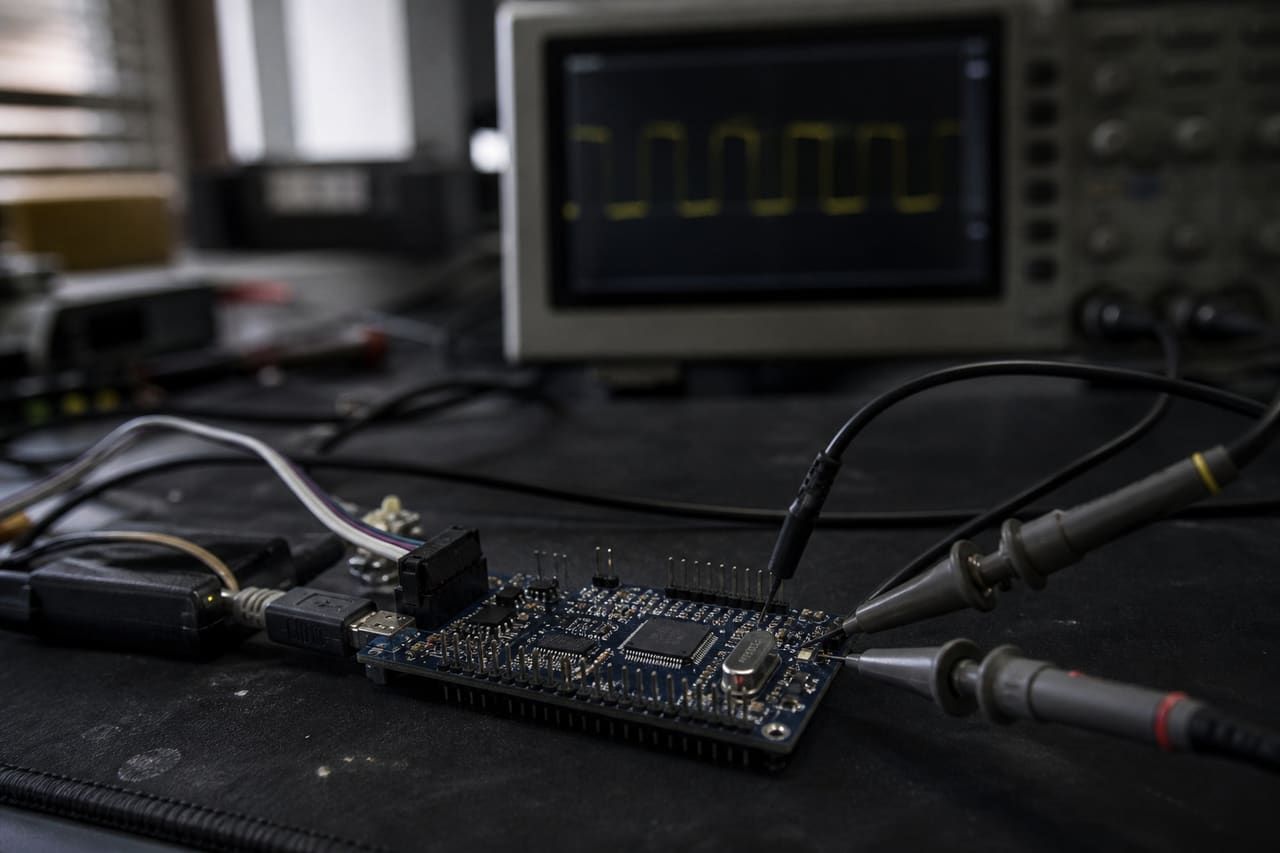
Embedded Firmware Development
Firmware that holds up in the field, not just on the bench
Devices, connectivity and dashboards that work as one system
Most IoT projects do not fail at the device — they fail at the seams, where firmware, connectivity, cloud and the operator interface meet. We own all four, so the integration risk sits with one team.
That includes designing for the network you actually have: intermittent links, constrained bandwidth and devices that must keep working while disconnected and reconcile cleanly when they return.
Discuss your project
Smart devices with embedded firmware, sensor integration and a realistic power budget.
Local processing and buffering that cuts latency and keeps devices useful when the link drops.
MQTT, CoAP, BLE, LoRa, Wi-Fi and cellular chosen against range, power and cost constraints.
Integration with AWS IoT, Azure IoT and Google Cloud, or a self-hosted stack where data residency requires it.
Provisioning, over-the-air update and device health monitoring across a deployed fleet.
Real-time collection, storage and visualisation that operators can act on without training.
Range, data volume, duty cycle and power budget decide the radio and protocol. Getting this wrong is expensive to reverse once devices are deployed, so it is settled first.
Firmware and local processing designed for the network you actually have, including useful behaviour while disconnected and clean reconciliation on reconnect.
Ingest, storage and APIs sized for the fleet, with provisioning and update paths designed in from the start rather than added once devices are already in the field.
Dashboards, alerting and fleet health monitoring so the people running the system can see and act on what it is telling them.
It follows from range, data volume, power budget and running cost. LoRaWAN suits low data over long range on battery; cellular suits wide dispersal with no local infrastructure; Wi-Fi or Ethernet suits fixed installations with power. We model these against your case rather than defaulting to one.
No. We work with AWS IoT, Azure IoT and Google Cloud, and we also build self-hosted platforms where data residency, cost at scale or customer policy requires it. The device side is kept portable so this decision is not irreversible.
They keep working. We design for intermittent links as the normal case: local buffering, autonomous operation while offline, and reconciliation on reconnect that does not produce duplicate or lost records.
Per-device identity and credentials rather than a shared key, TLS for all transport, signed firmware updates with rollback, and role-based access on the platform side with an audit trail of who did what.
No account managers in the middle. Share your requirement and you will get a technical response, with an honest view of scope and timeline.
Start the conversationFirmware that holds up in the field, not just on the bench
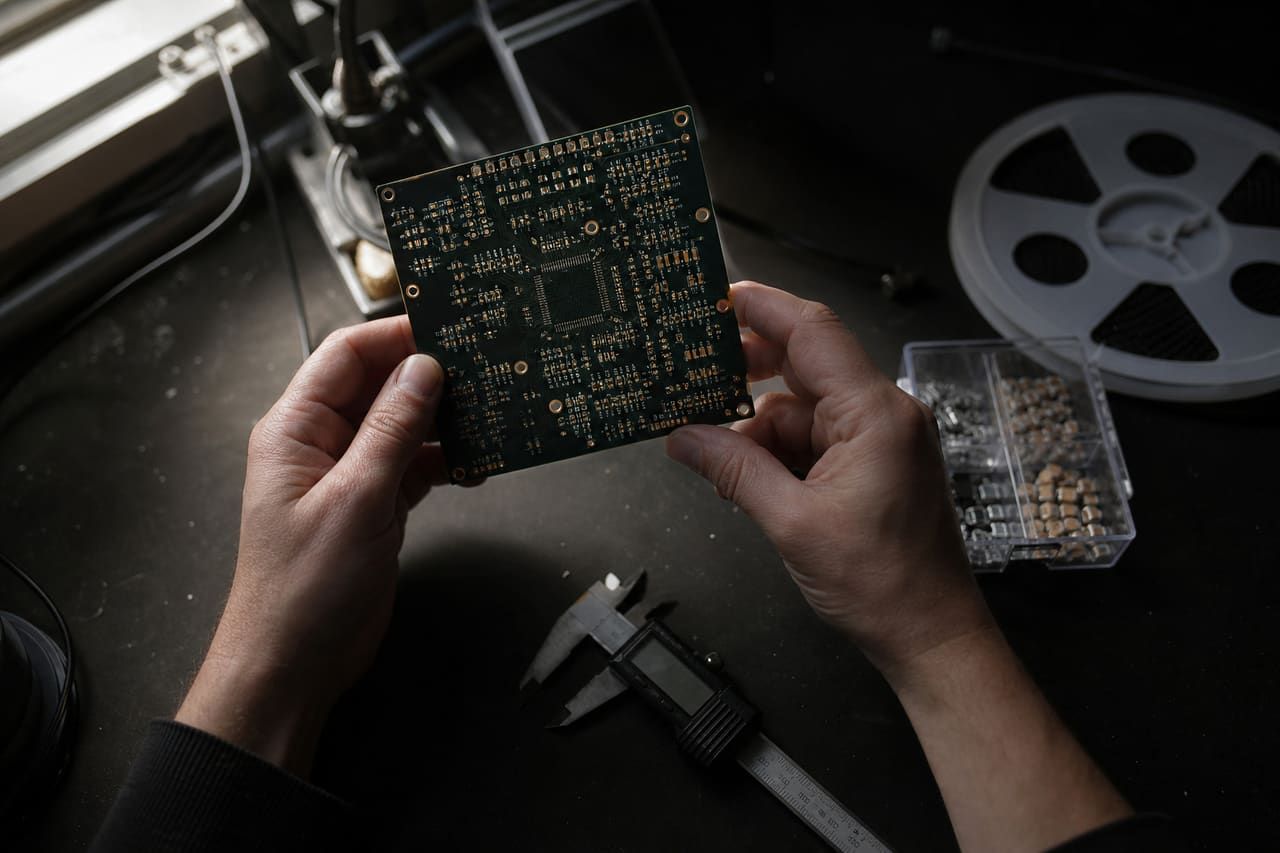
From schematic to a board that is ready to manufacture
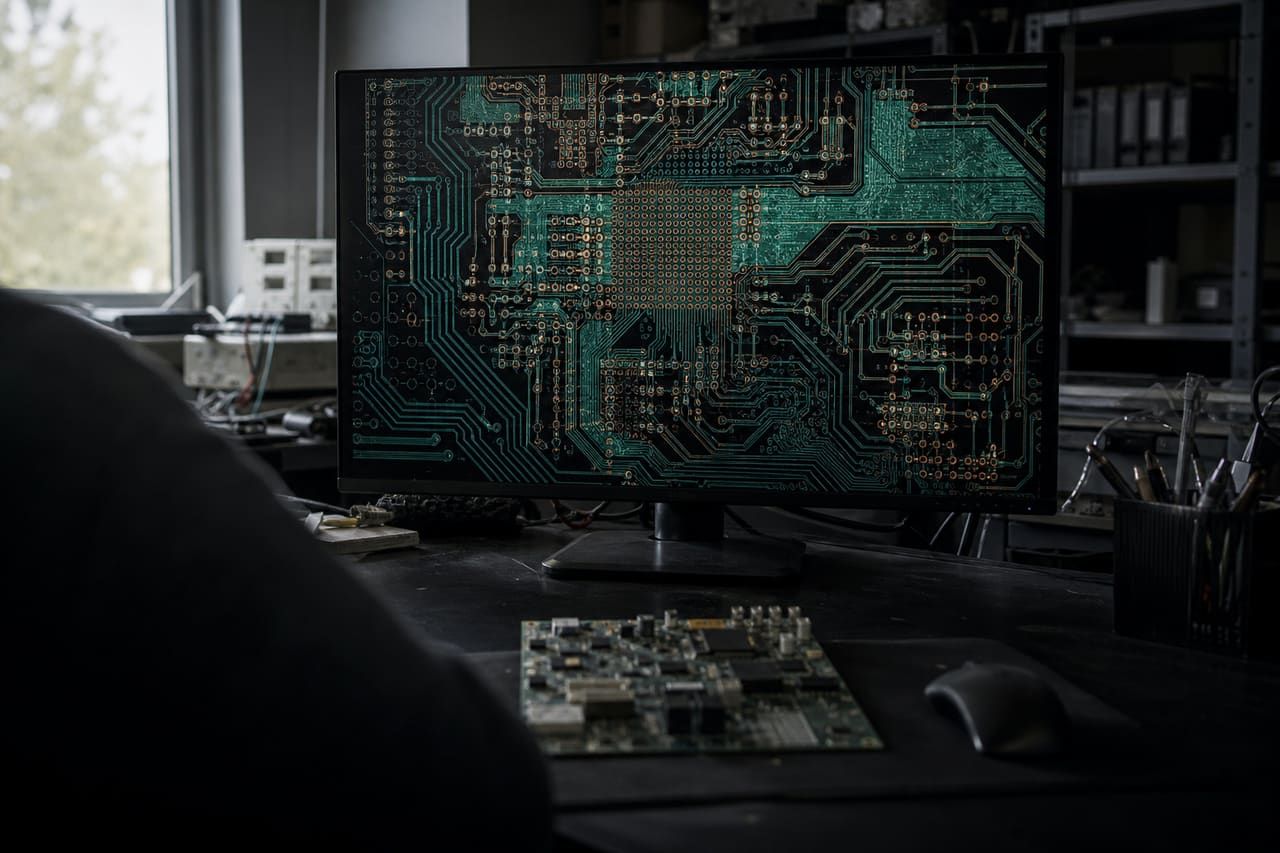
Layouts that pass signal integrity and manufacture cleanly