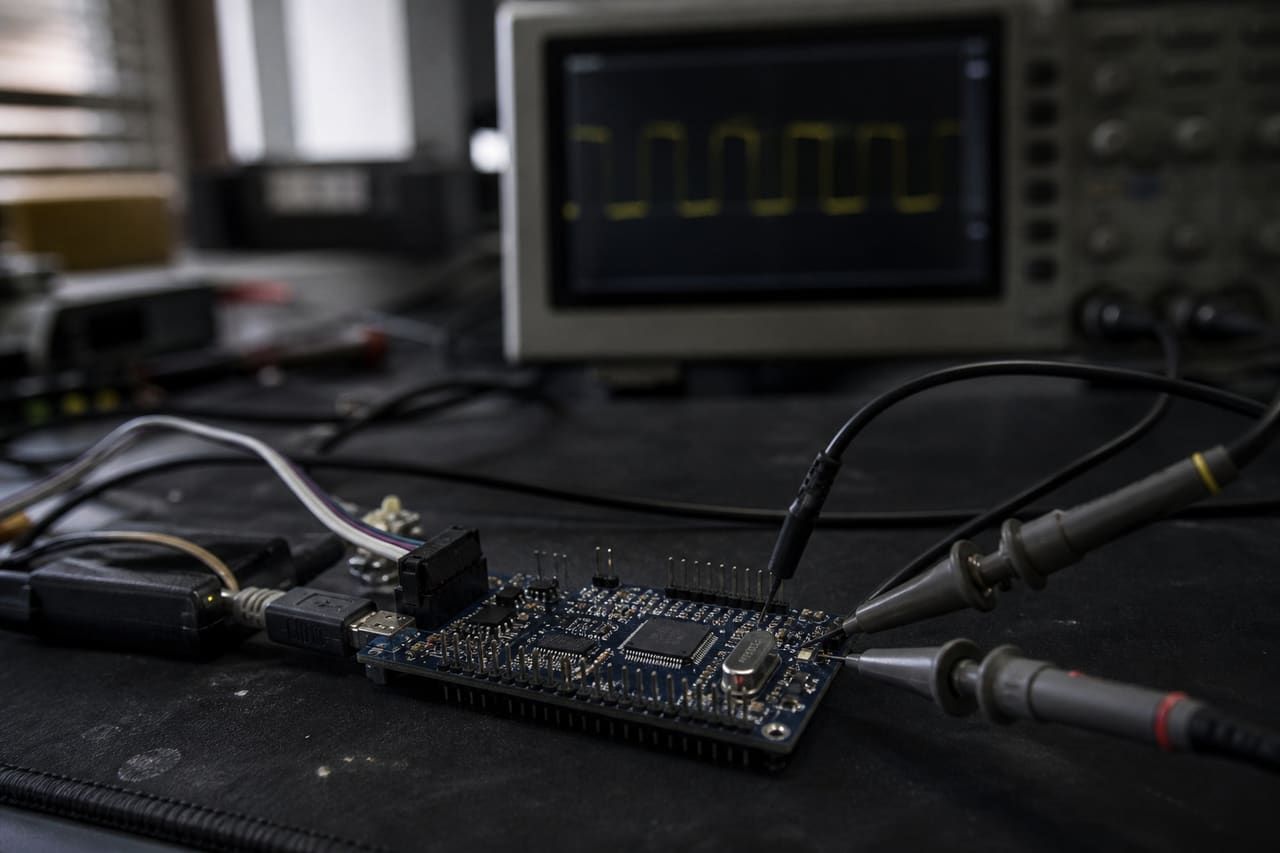
Embedded Firmware Development
Firmware that holds up in the field, not just on the bench
Cloud infrastructure sized to the workload, not the brochure
We design and run cloud infrastructure for connected-product workloads, where traffic is device-driven, bursty and unforgiving of downtime. The goal is infrastructure that scales with the fleet and costs what it should.
For teams already running in the cloud, we start with a cost and reliability review — usually the fastest route to a measurable result.
Discuss your project
Scalable, reproducible environments defined as code rather than assembled by hand in a console.
Planned, staged migration of applications and data with rollback at every step.
Right-sizing, reserved capacity and architecture changes that cut spend without cutting headroom.
Metrics, logging and alerting with defined escalation, so problems surface before customers report them.
Least-privilege access, encryption in transit and at rest, audit logging and policy enforcement.
Containerised, versioned releases with repeatable promotion from development to production.
For existing estates we start by measuring what you are running, what it costs and where it is fragile. This usually funds the rest of the work by itself.
Design sized for device-driven, bursty workloads, with clear boundaries between ingest, processing and storage so each can scale on its own.
Environments defined in infrastructure as code so they are reproducible and reviewable, not assembled by hand in a console and impossible to recreate.
Monitoring, alerting and runbooks, with your team trained to run it — or a support arrangement if you would rather we did.
Usually, and it is the fastest way to demonstrate value. Most savings come from right-sizing over-provisioned resources, correcting storage tiers and retention, and committing to capacity you demonstrably use. We report savings as measured figures, not projections.
No. Some workloads are cheaper and simpler on-premise or at the edge, particularly steady high-volume processing. We will tell you when moving something is not worth it — a hybrid split is often the right answer for connected-product companies.
Region selection, data classification and, where necessary, self-hosted or in-country deployment. For customers with contractual restrictions on where telemetry may be stored, we design the split explicitly rather than assuming a single global region.
You can. Everything is defined as code in your repository and documented with runbooks, and we deliberately avoid managed services that would make an exit disproportionately painful. Handover training is part of the engagement.
No account managers in the middle. Share your requirement and you will get a technical response, with an honest view of scope and timeline.
Start the conversationFirmware that holds up in the field, not just on the bench
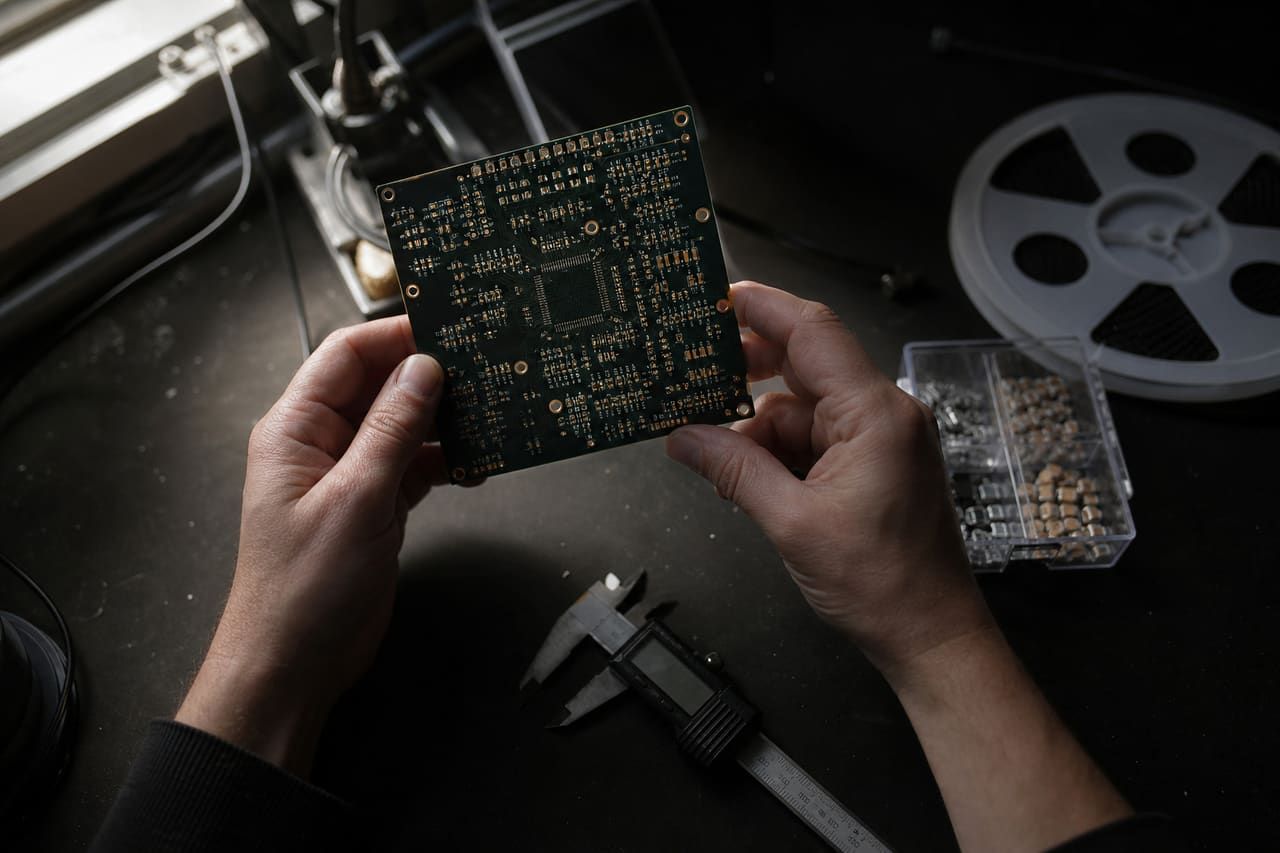
From schematic to a board that is ready to manufacture

Layouts that pass signal integrity and manufacture cleanly