Case study · Textile automation · VLAR Enterprises
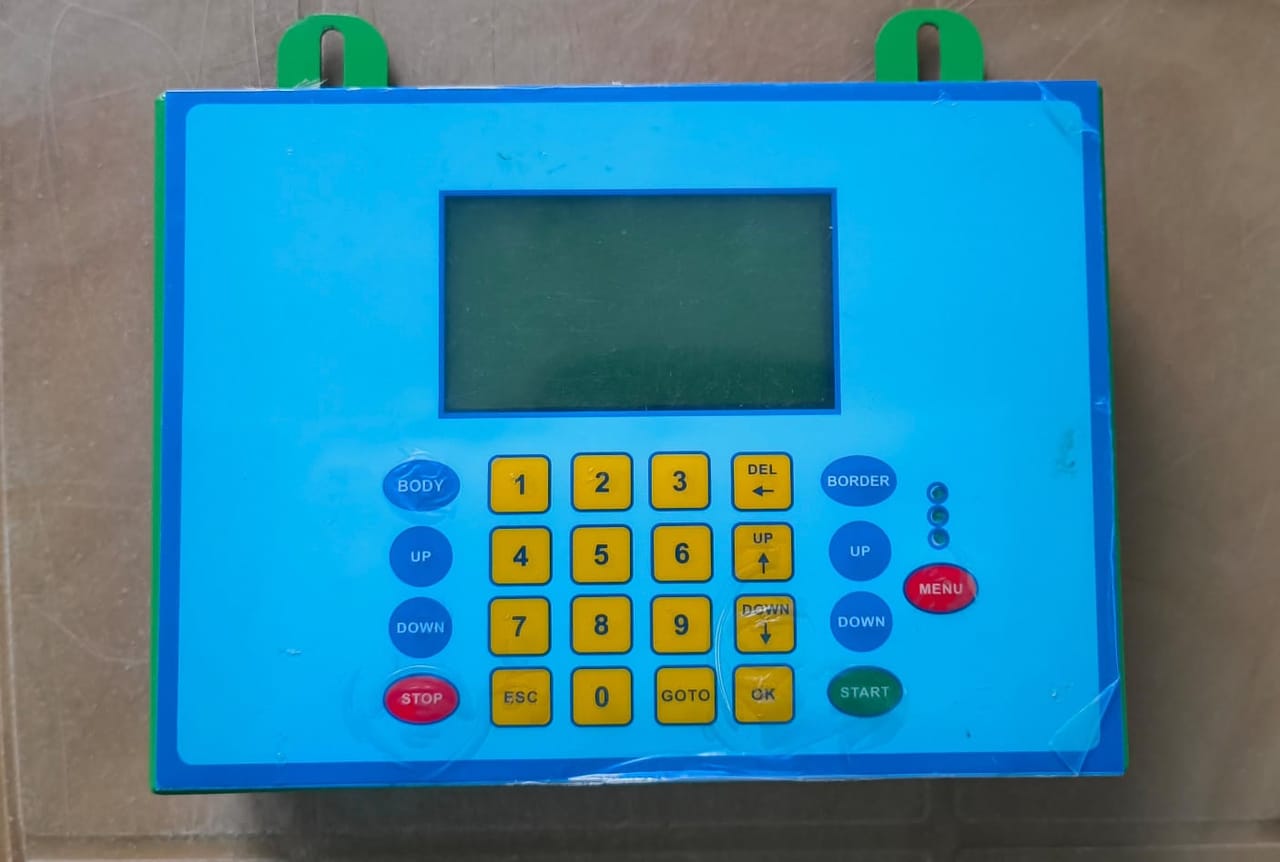
eJacq Electronic Jacquard
A jacquard controller that scales from fully offline to fully connected
The challenge
A jacquard mechanism lifts individual warp threads to weave a design into cloth. Doing that at scale means controlling thousands of hooks with precise timing, in step with a loom running at speed — and getting it wrong shows up as a visible defect in the fabric.
VLAR Enterprises needed a controller that could handle high hook counts at production speed, and that could be sold into a market where some customers want a connected machine and others want nothing on their network at all.
Our responsibility
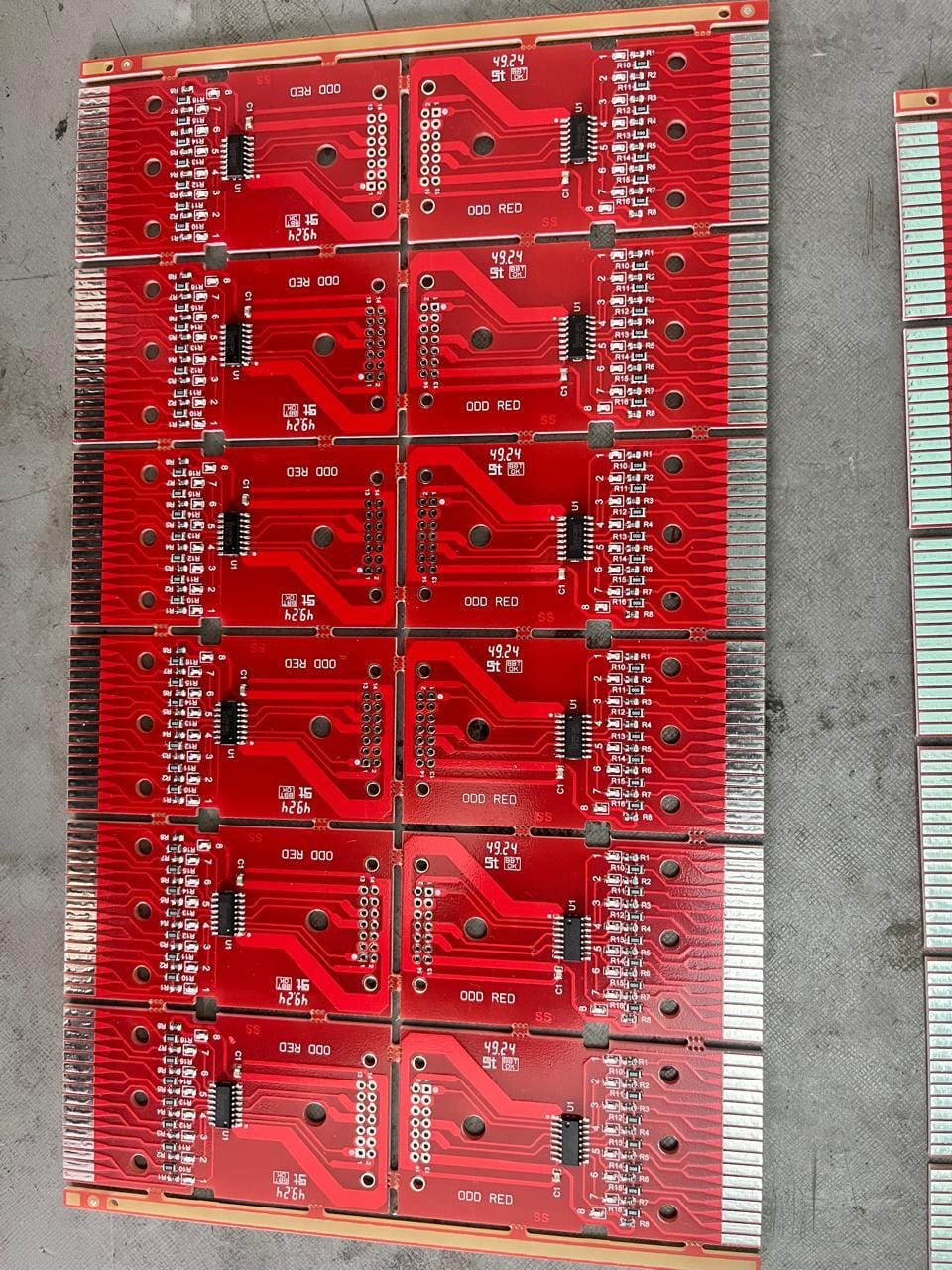
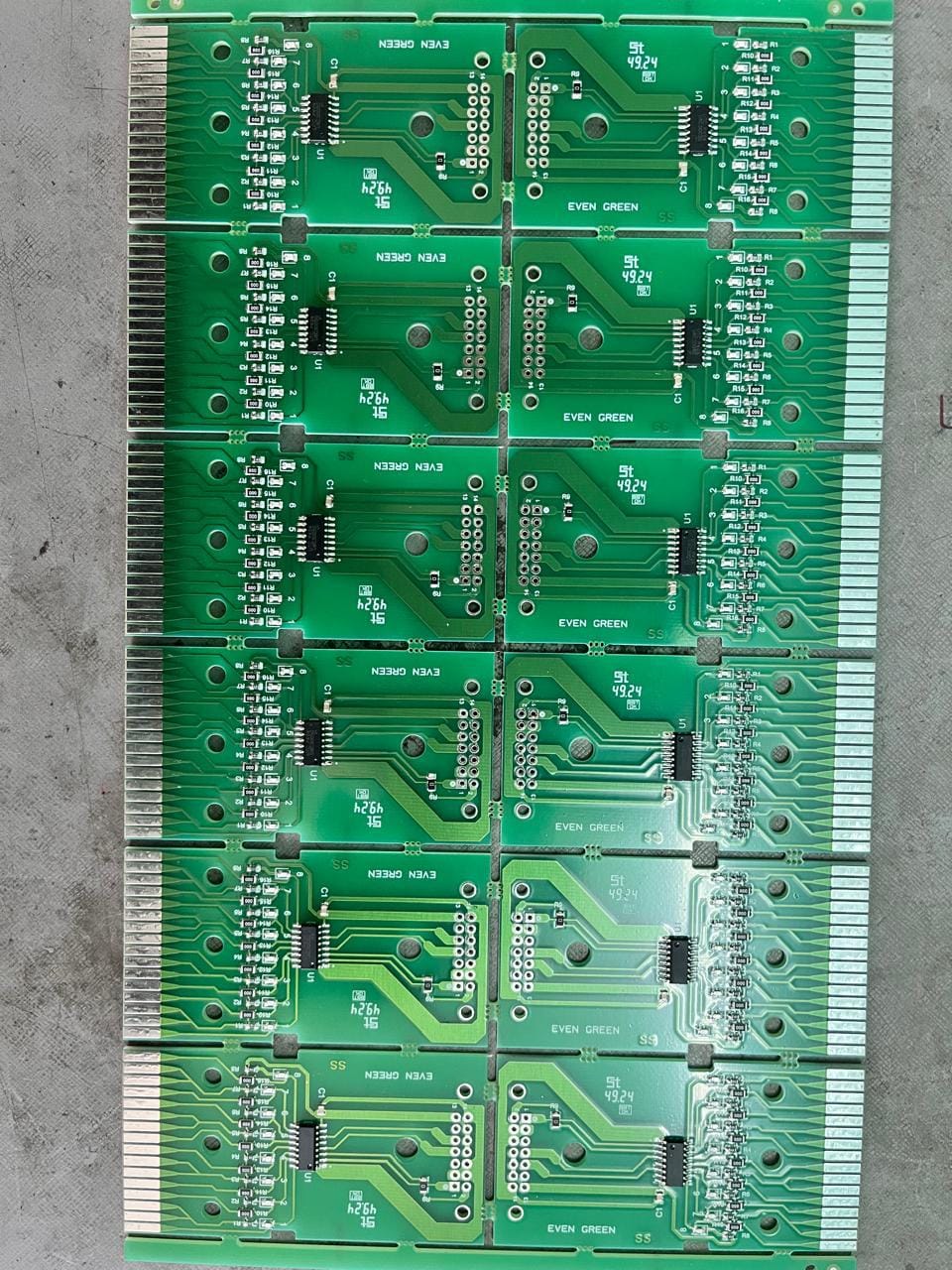
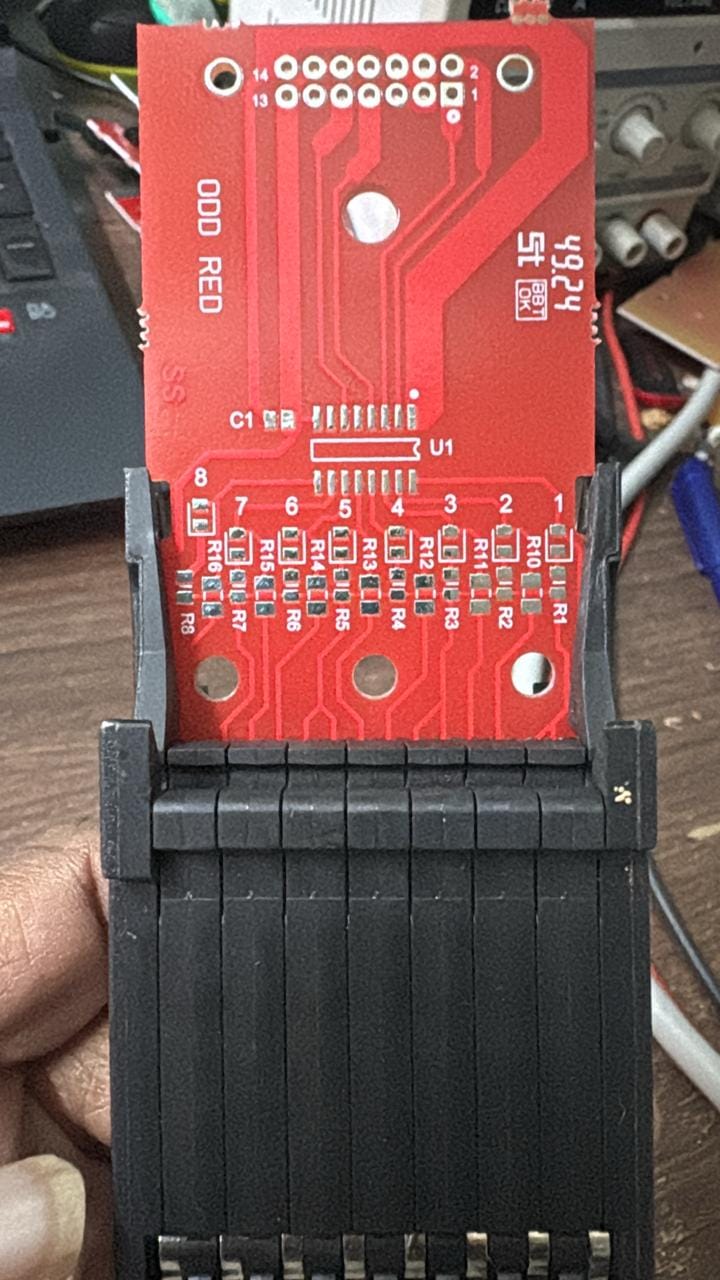
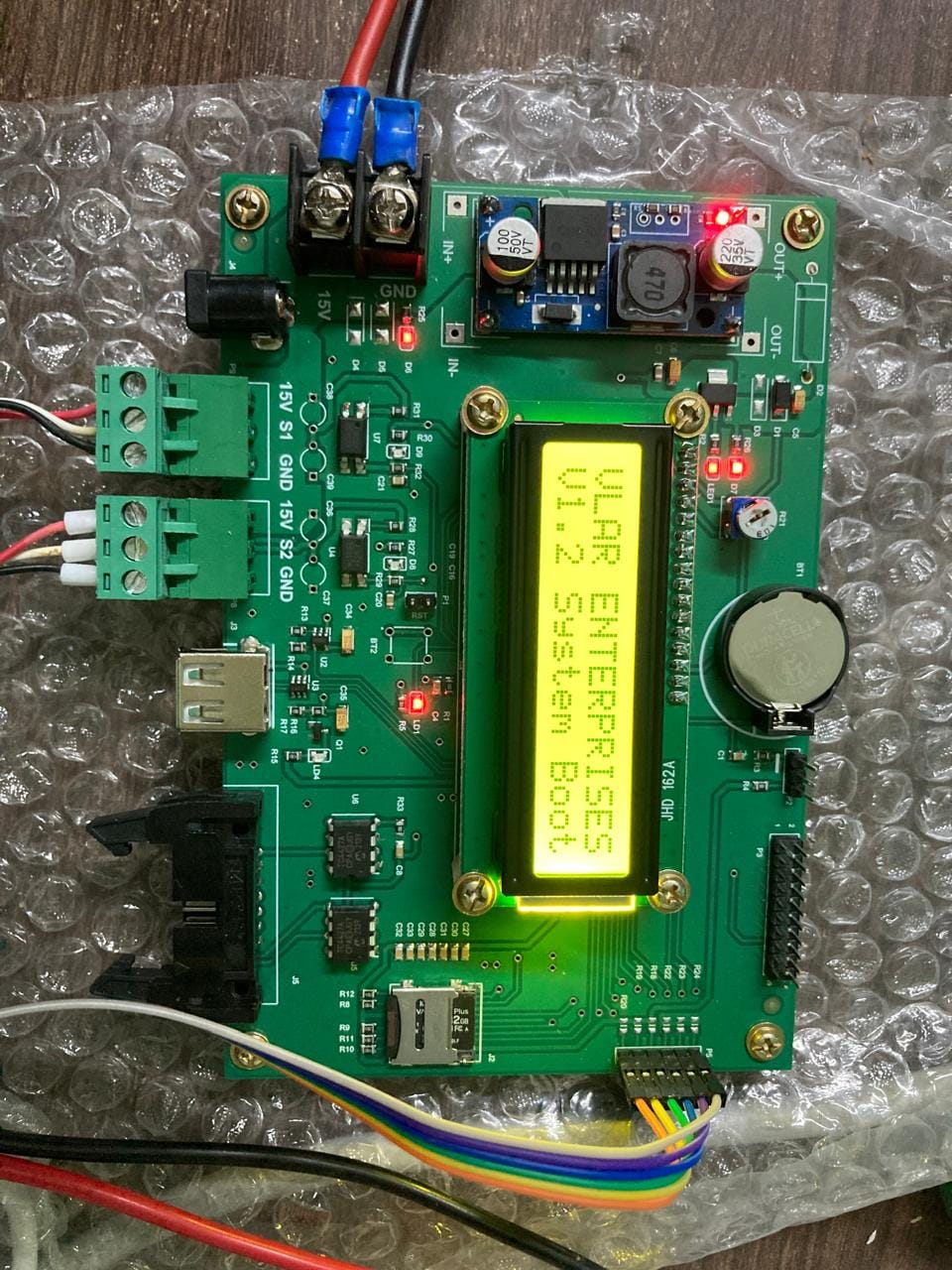
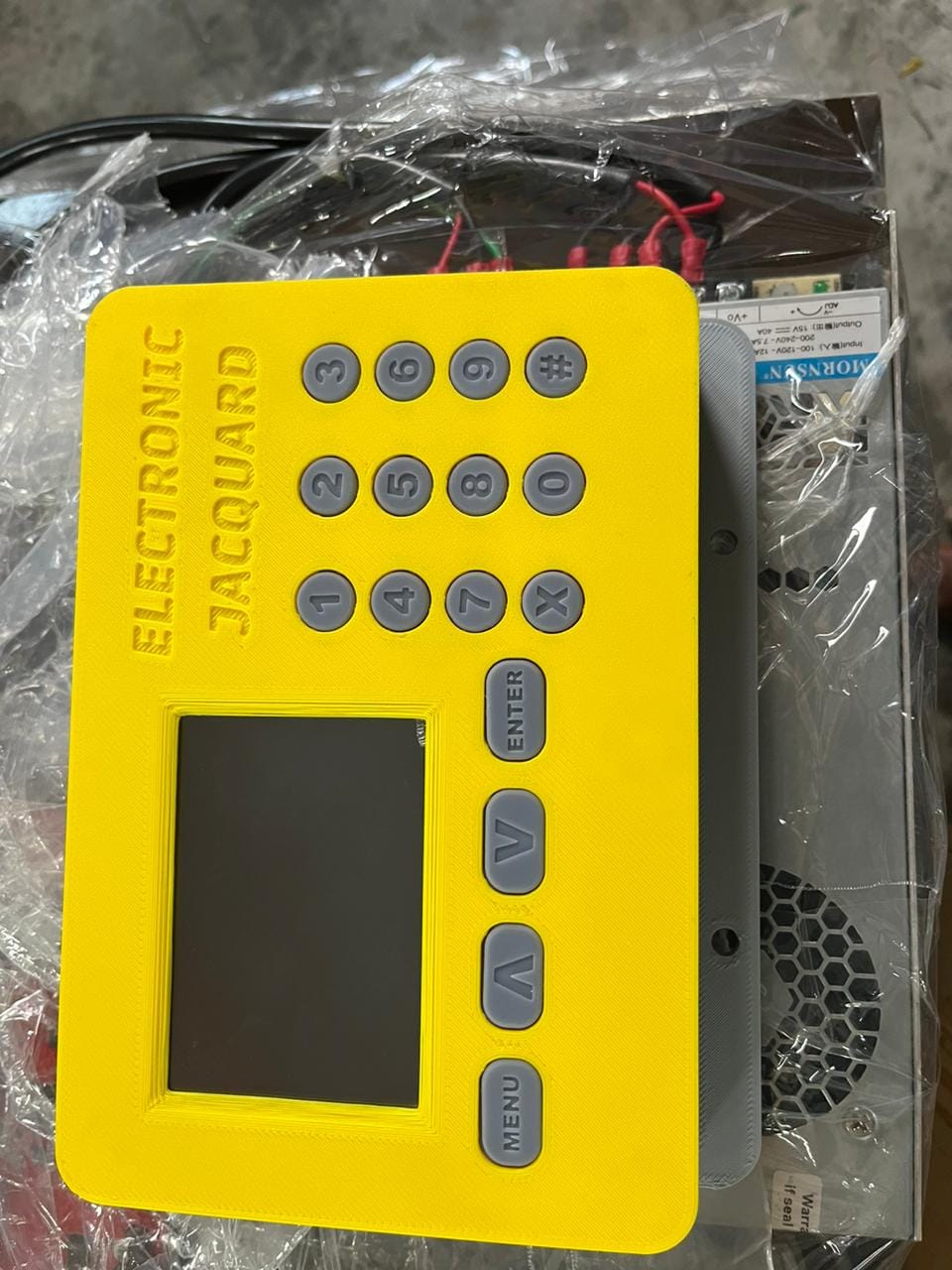
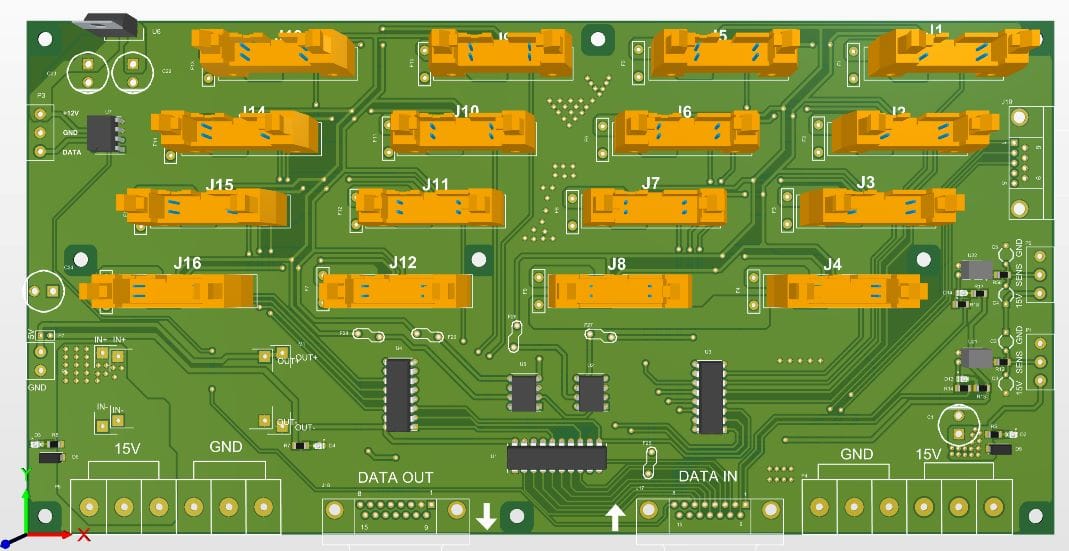
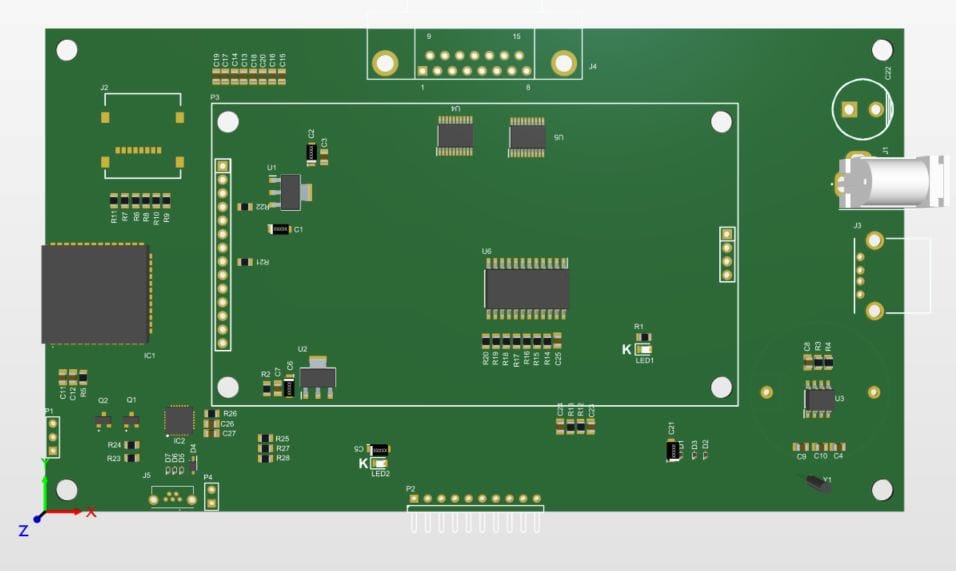
Gandeevan designed and built the eJacq hardware across all three variants, the firmware that drives the hook control and loom synchronisation, the connectivity layers, and the companion mobile application.
One platform, three connectivity options
Basic — fully offline
No connectivity at all. For mills that will not put machinery on a network, or sites where there is no network to join.
Bluetooth
The controller itself never touches the internet. The mobile app is the bridge, so operators get app control and updates without exposing the loom to a network.
IoT
Connected directly through AWS IoT Core for fleet-wide visibility and remote update across multiple machines.
The mobile application
- Change the running design from the phone
- Upload new designs directly to the eJacq controller
- Live status updates from the loom while it runs
- Loom production statistics
- Firmware updates delivered over the air
Engineering involved
The hardware
What it delivered
Same product, three markets
One hardware platform covers customers who refuse connectivity and customers who want a connected fleet, without maintaining separate product lines.
Updates without a site visit
OTA reaches the device directly on IoT units and through the mobile app on Bluetooth units — so even the disconnected-by-design variant stays maintainable.
Production visible from the floor
Live status and statistics on a phone, rather than only at the machine.
Have a machine that needs a controller?
Tell us what it has to do and the constraints around it — connectivity, timing, the environment it runs in — and we will tell you how we would approach it.
Discuss your project